
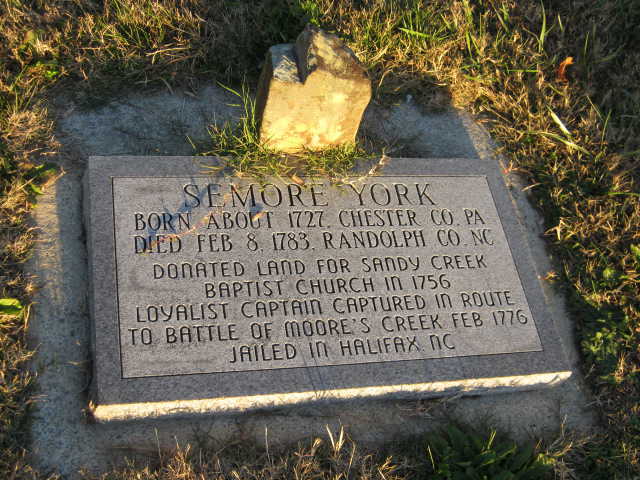
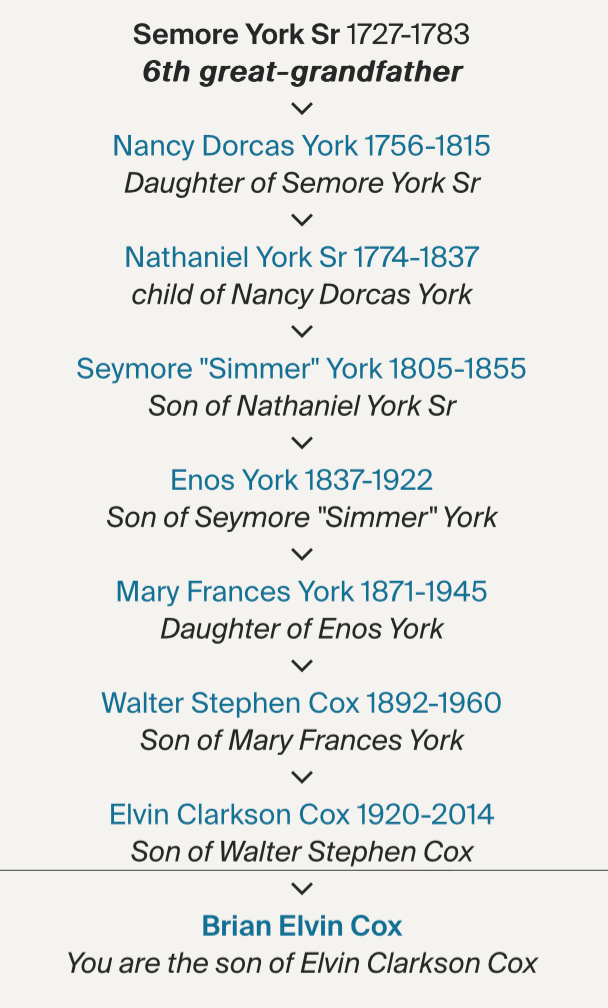
Part of the fun from genealogical research is discovering people and stories that are pretty much right under your nose. That’s the case with Semore (Seymore) and Sylvania Aldridge York, my 5th great-grandparents. I will use the spelling “Semore” as written on his grave marker.
Semore was born in 1727 to Jeremiah and Sarah Ann (Wilson) York in southeastern Pennsylvania’s Chester County. (I am still researching the month and day of birth). It’s a bit of an odd name, but his maternal grandfather’s surname was Seymore (Seymour)…yes, that English Seymour family, the one that produced Henry VIII’s third wife, Jane Seymour.
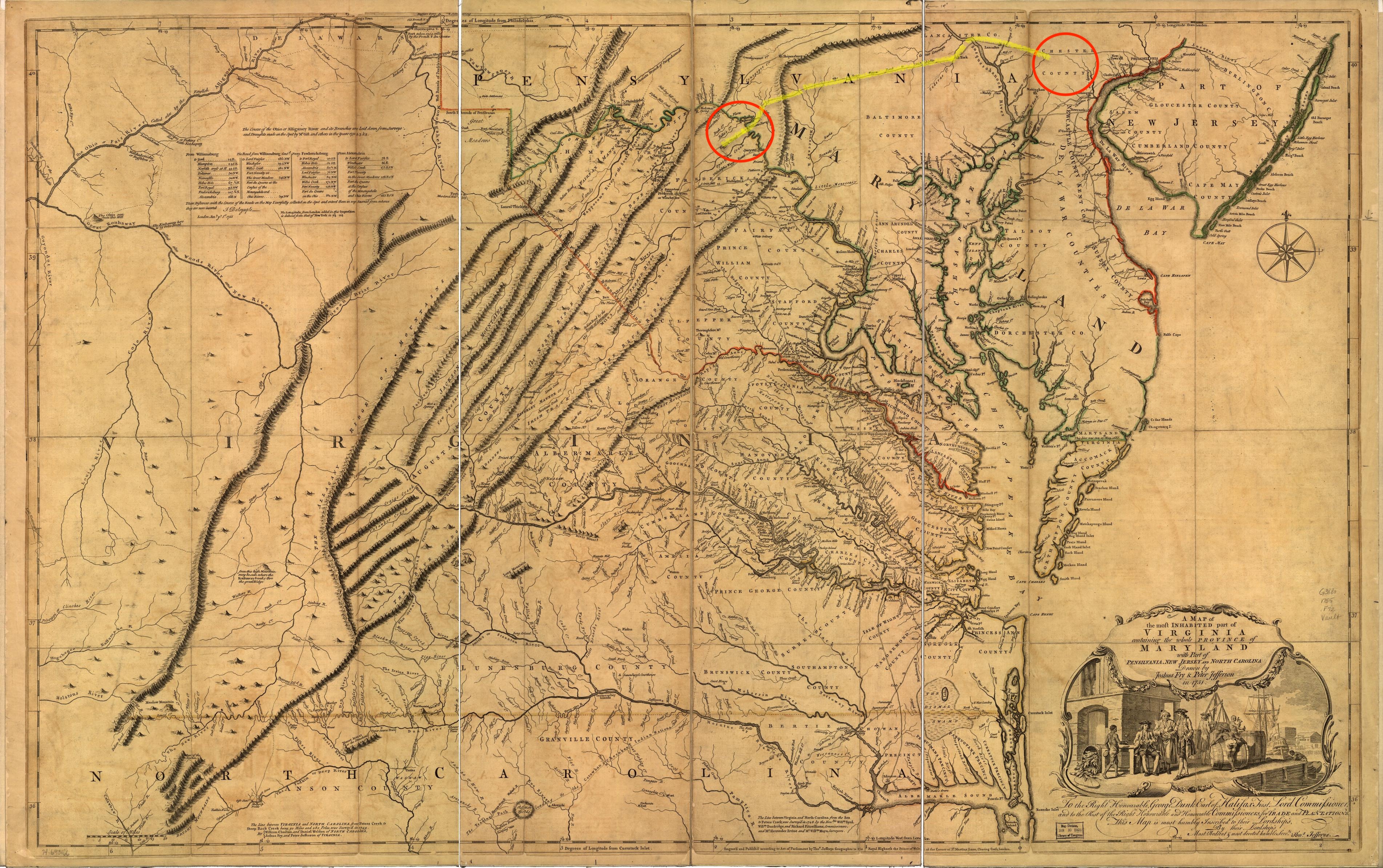
Semore was one of ten children with sisters Hannah Jane (1722), Elizabeth Ann (1726), Sarah (1735), and brothers Elijah (1723), Jesse (1724), Thomas (1729), Jeremiah (1730), Henry (1732), and Joseph (1734). His parents moved the family from Chester County to the Monocacy Valley settlement in Northern Virginia in the early 1730s. I could go down a rabbit hole regarding the accompanying twists and turns, but the gist is there was a dispute between Pennsylvanioa and Maryland over property rights and taxes in the border area where the Yorks lived. (I’ll write about Semore’s parents sometime in the future.)
The map below shows the east ot west (right to left) migration route on part of what would become known as the “great wagon road.”
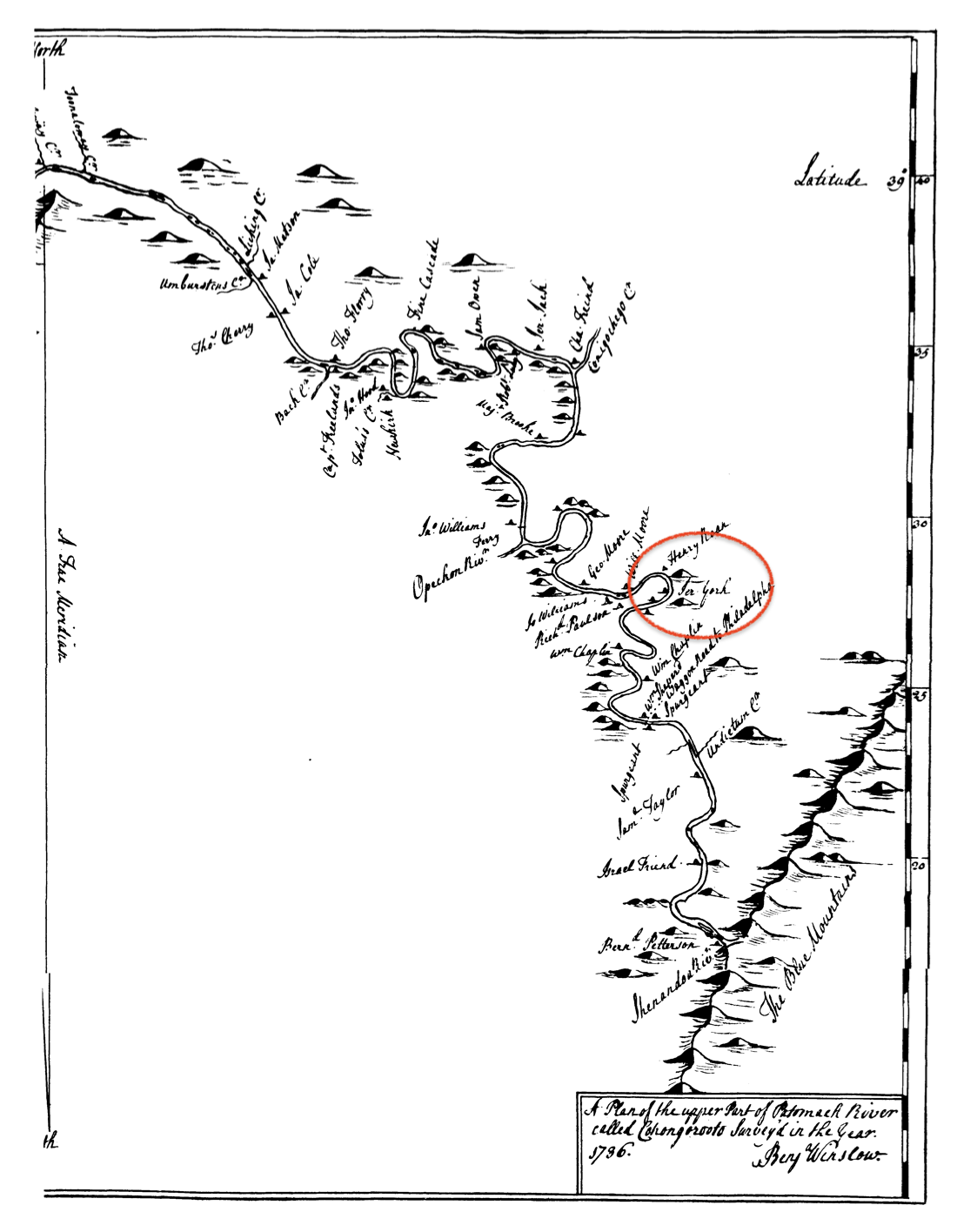
The York family chose to settle on a tract of land overlooking the Potomac River that became known as Terrapin Neck, part of 100,000 acres granted conditionally by the Virginia Council to Jost Hite and Robert McKay in October 1731. When Lord Fairfax arrived in Virginia from England in 1735, he was surprised to find Hite and McKay brokering property for which he had a inheritance claim. The resulting legal battle lasted several decades, and it would take until 1751 for Semore’s father to officially secure a grant for the land where the family lived. The map on the right is from a 1736 survey commissioned by Fairfax and the York location is circled.
Semore married Sylvania Aldridge, one of the daughters of a neighboring family in the Potomac area in 1749. Entering the 1750s, Semore and his siblings began their own families and sought their own homes and land. Jeremiah York was in his 70s and Sermore’s mother, Sarah Ann, died in 1752. Territorial tensions that eventually led to the French and Indian War were increasing, and it’s likely there was lingering angst in the York family with the land title and quitrent owed annually. Families the Yorks were acquainted with leaving for new land opportunities in the Carolinas, so despite finally securing the long-awaited land grant in 1751, Jeremiah sold his property in July 1753 and joined his sons in North Carolina where new land with clear titles was opening up. Semore and Sylvania welcomed their firstborn, Jeremiah, in the same year.
The precise year the Yorks moved to North Carolina is not clear. The earliest record for Semore is the 1755 Orange County tax listing that also included his brothers Henry and John, and John’s son. The birth of Semore’s daughter, Sarah, was also recorded in 1755.
New settlers usually found unoccupied land, built a cabin, and actively lived on the land before applying for a warrant for a survey. Semore got a warrant dated February 12, 1756, so we can conclude he arrived several years prior. The survey was completed on May 5, 1756, and the land grant of 640 acres from Lord Granville was official on August 2, 1758.
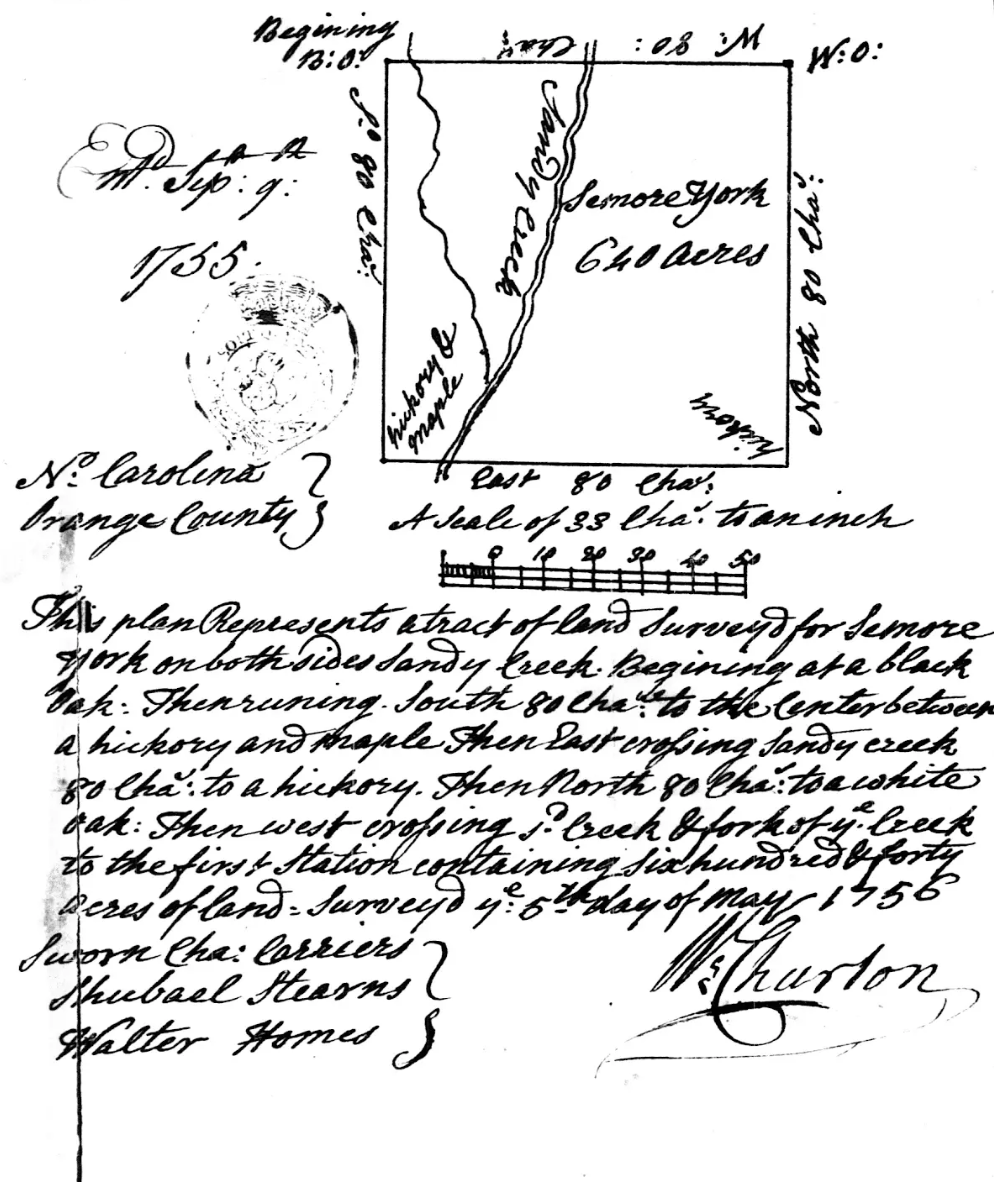
One of the witnesses to Semore’s survey was Shubal Stearns, a Baptist minister and friend of Herman Husband. (Husband held thousands of acres of land grants along Sandy Creek, a tributary of Deep River near today’s Town of Liberty, and was my 6th great-grandfather William Cox’s brother-in-law.) A modern term for Stearns is “evangelical preacher.” None of his sermons have survived in writing, but he was said to have been very charismatic with the ability to generate strong emotions with his sermons. Stearns and some of his congregation moved from Virginia to North Carolina around the time of the York’s move. I can’t determine if Semore knew Stearns before moving to NC, but Semore donated land for Sandy Creek Baptist Church sometime around or shortly after 1756. From 1756 to 1758 the congregation grew from 16 members to 40 families.
A quick sidebar about Stearns. Sterns was instrumental in organizing the Sandy Creek Association of Separate Baptists and Sandy Creek Baptist became the mother church for many other Baptist churches in North Carolina. Historian Morgan Edwards wrote,
“It was the mother church, nay the grandmother church, and a great grandmother to 42 churches from which sprang 125 ministers. All the separate Baptists sprang hence; not only eastward toward the sea, but westward to Tennessee, towards the great river Mississippi, but northward to Virginia and southward to South Carolina and Georgia.”
The relationship between Semore and Stearns must have been close as Semore named one of his sons Shubal.
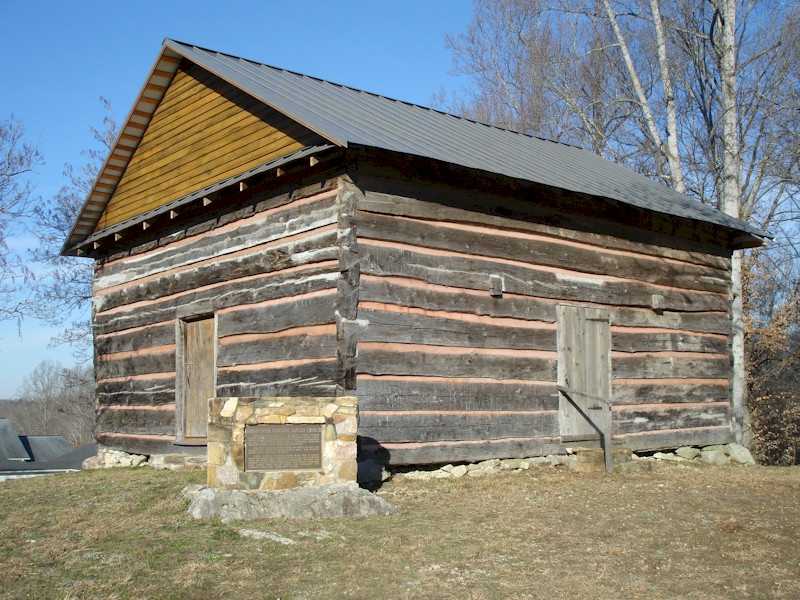
Like many of their neighbors, Semore was among the area farmers involved in the Regulator movement from 1765 to 1771. Neighbor Herman Husband was a spokesman for the movement and would eventually represent the Piedmont in the legislature before being expelled in early 1771. The exact relationship between Semore, Husband, and Reverand Stearns is hard to determine, but in 1869 Stearns warned “if any of our members shall take up arms against the legal authority and abbet [sic] them that do he shall be excommunicated.” Semore followed Stearns advice and was not a participant in the Battle of Alamance in May 1771.
Reverend Sterns died six months after the battle and was buried in the Sandy Creek Baptist Church Cemetery. The Sandy Creek congregation dwindled after as many former Regulators continued to harbor resentment for a decade of government corruption. Semore chose to stay at Sandy Creek.
Colonial Records show that Semore was active in the Revolutionary War activities and events in North Carolina. On January 10, 1776, Governor Josiah Martin, Royal Governor of North Carolina, issued the following order:
“To…William Fields, James Hunter, Robert Fields, Jeremiah Fields, and Seymoure York, Esquires of the County of Guilford;
Greetings:
I hereby grant to you power and authority to form the forces you shall so raise, into companies of fifty men each, and to appoint one Captain, …and I do hereby give you…full power and authority to seize and take whatsoever may be necessary of arms, ammunition, provisions, horses, and carriage for the subsistence and accommodation of His Majesty’s faithful subjects…”
Somewhat ironically, these former Regulators found themselves on the side of the Crown as loyalist Tories. (Jeremiah Fields said in his old age that “he had fought twice, once for his country and once for the King, and been defeated each time, and that he would fight no more.”) Semore York served as British Captain and was among roughly 1600 loyalists responding to Governor Martin’s call for support in eastern North Carolina.
A Patriot militia force estimated at 1000 men engaged the loyalists in a battle at Moore’s Creek Bridge near Wilmington on February 27, 1776. Approximately 30 Tories were killed and the majority were either captured or fled the battlefield. Semore and other captured officers were taken to Halifax and imprisoned. Non-officers were released after swearing an oath not to take up arms against the Crown.
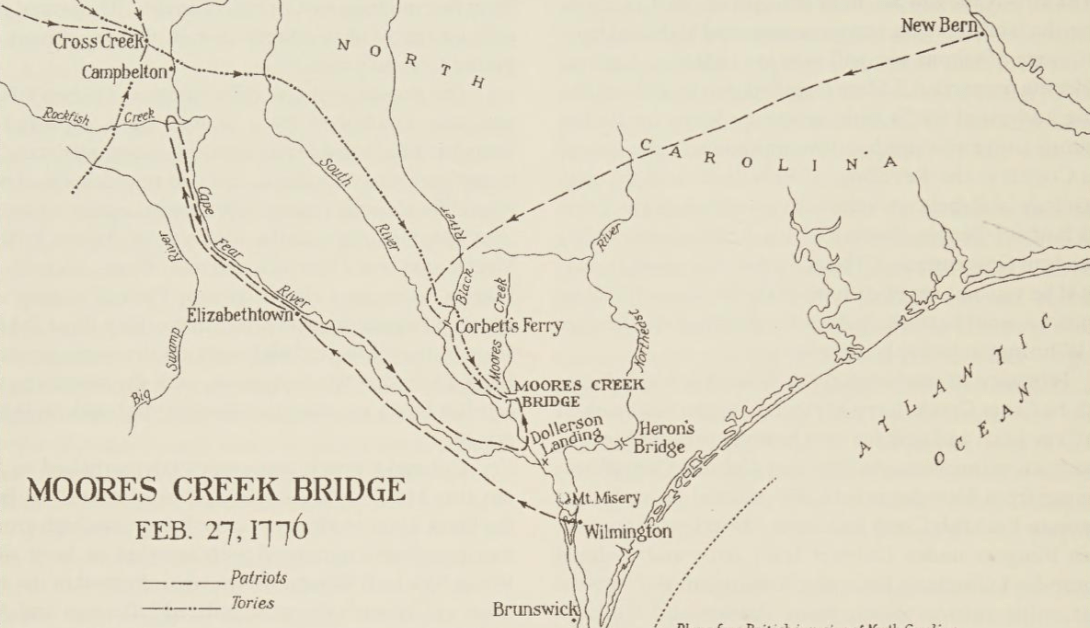
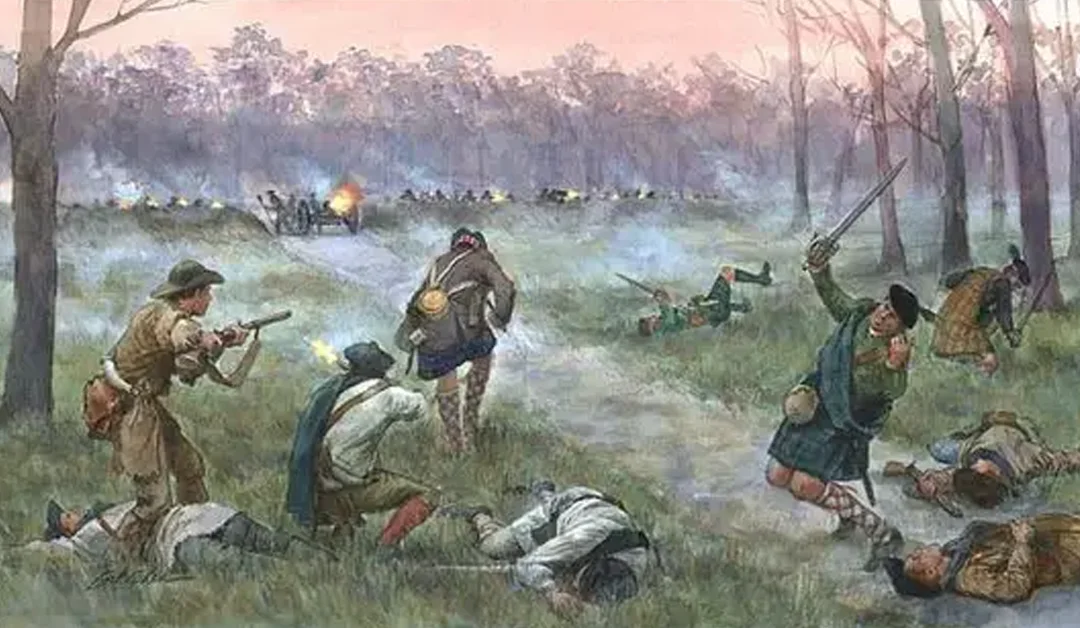
In April 1776 a list of prisoners in the Halifax prison was made public and included Semore’s name. In a letter dated October 12, 1776, Semore’s wife Sylvania petitioned the Council of Safety in Halifax for his release to provide for his family. After pledging not to fight again, he was released from prison and retained his property.
Semore and Sylvania had ten children: Jeremiah 1752-1818 (m. Sara Allred), Sarah 1755-1816 (m. John Welborn), Dorcas 1757- (m. William Fields), Shubal York 1760-1816 (m. Bethenia Aldridge), Semore Jr. 1763-1818 (m. Elizabeth Bray and Ann Wood), Tabitha 1756-1860 (m. Solomon Trogdon), Isaac 1768-1806 (m Ellinor Allridge), John 1772-1859 (m. Martha White), Martha 1773-1860 (m. Edmund Hays), and Jabez 1776-1853 (m. Elizabeth White).
Semore York died on February 5, 1783 and is buried at Sandy Creek Baptist Church a few feet northeast from the original church building site. The original stone gravemarker is inscribed “S Y, 8 Feb 1783” and is accompanied by a modern memorial. Sylvania died in 1791, but the exact date is not recorded on her headstone.
The will of Semore York was probated in Randolph County in March 1783. It reads:
In the name of God amen, I Semore York of Randolph county in the state of North Carolina being sick and in a low state of health but of perfect mind and memory thanks be to God for it. Calling to mind the mortality of my body and knowing that it is appointed for all men due to die do make constitute ordain and confirm this my last will and testamente by me made Declaring this only to be my laste will and Testament revoking and canceling all other wills and testaments by me made Declaring the Only to be my laste will and testament and in the firste place I recommend my Soul to God who gave it and my body to be buried in a decent Christian manner at the discretion of my Executors never doubting but I shall receive the same again by the mighty power of God–and as touching such worldly goods as it hath pleased God to bless me with in this life I Despose thereof in the following manner after all my just debts and funeral charge be paid. I bequeath to my well beloved wife her feather bed and furniture and all the reste of my household furniture Excepte such as I appoint too my children in this will.
Item — I bequeath to my well beloved wife one negroe girl named Nan with free privalidge to live on my plantation until my youngest child comes of age.
Item — I bequeath to my Eldeste son Jeremiah all the land and improvements now in his possession.
Item — I bequeath to my daughter Sarah her bed and table all the rest of her household goods she received after she was married. I also bequeath to my Daughter Sarah the sum of five shillings starting to be paid oute of my Estate.
Item — I bequeath to my Daughter Dorcas her bed and mattress and all the reste of the household goods and other things which she received before and after she was married. I also bequeath to my said Daughter Dorcas the sum of five shillings to be paid out of my Estate.
Item — I bequeath to my son Shubal the land whereon he now lives with all the improvements thereon containing about one hundred and seventy acres more or less to be divided from John Wilburns land. Likewise I bequeath to him my said son Shubal his horse and saddle and bridle and all the rest of the things he received from me before he was married. Also I bequeath to him my said son Shubal the sum of five shillings starting to be paid out of my Estate.
Item — I bequeath to my son Semore one half of the land whereon I now live that is to say that part which lies adjoining to the plantation whereon William Allred Sr. now lives. I likewise bequeath to him my said son Semore one mare to be worth twenty five pounds and a saddle and bridle and likewise a good suit of clothes when he comes of age.
Item — I bequeath to my sons Isaac and John the sum of two hundred pounds in hard monty rates to be raised oute of my Estate and to be paid out in hand at the Discretion of my Executors and likewise a horse and saddle and bridle and a suite of clothes for both when they come of age at the Discretion of my executors.
Item — I bequeath to my son Jabez one half of the land whereon I now live that is to say that parte whereon the house and other improvements is likewise one horse and saddle and bridle and a suit of clothes when he comes of age at the Discretion of my executors.
Item – I bequeath to my Daughters Martha and Tabitha each a feather bed and furniture and each a bedstead and likewise a cow and calf and a saddle for Each of the aforesaid girls Martha and Tabitha when they come of age at the Discretion of my Executors.
Likewise I bequeath thate the remainder of my lands and negroes note particularly mentioned in this will shall be sold at the discretion of my Executors and the money arising there from to be equally divided between my six youngest children excepting two hundred pounds in hard money rates which is bequeathed to Isaac and John as aforesaid land. It is my will that my Executors make a deed for one hundred and twenty acres of land to my son-in-law John Wilburn the land that my father formerly lived on and likewise a claim of land containing about eighty acres adjoining aforesaid land.
It is further my will that the stock and all the impliments belonging to the plantation be left thereon towards raising and maintaining the children and schooling them Except any parte thereof that shall appear superfluous to the Executors and then to be sold and the money to be converted to any necessary expense that may occure and I do appoint my wife and my son Semore Executors to this my last will and testament and in case my wife should remarry or die before my son Semore comes of age it is my will that my son Jeremiah shall be executor in her place. Duly executed according to the true Intent and Meaning thereof.
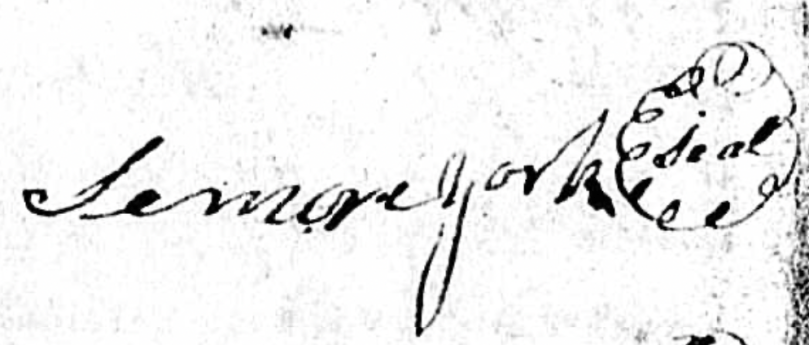
Sadly the will confirms that Semore, despite apparently being a man of significant faith, was a slave owner, as was his eldest son Jeremiah. Some of his descendants continued to own slaves into the Civil War. In 1835, the Sandy Creek Baptist Association condemned the “buy[ing] and sell[ing] Negros, for the purpose of speculation or merchandise, for gain,” but the practice continued. It’s a disturbing rabbit hole I’ll leave for another time.
Sources of note:
- A Revised Timeline for Jeremiah York: A Narrative of His Life from 1683 – ca. 1765 by Ronald E. York and James Earl York III
- A History of the Valley of Virginia
- The Roots of Appalachian Christianity, The Life and Legacy of Elder Shubal Stearns
- The Regulators of North Carolina (1765-1771)
- The Battle of Moore’s Creek Bridge — America’s First Victory of the Revolutionary War
- Slave Deeds of Randolph County
 Forebears and Kinfolks
Will read shortly. Connecting flight now from Montreal to Quebec City. 😊
Sent from Yahoo Mail for iPhone